100%Online
Duration:18 hours
Program Fee:400$ Full Program
Language of Instruction:English
COACHING IS NOT ABOUT CONTROL; COACHING IS ABOUT OWNERSHIP
WHY YOU SHOULD ATTEND
In today's workplace, leaders are expected to be coaches—able to deal effectively with different people, build trust,
and drive results through ongoing conversations, not just instructions.
- Learn how to coach instead of control, so performance improves without micromanaging.
- Build strong accountability habits (clear expectations, follow-up, ownership, outcomes).
- Gain practical skills to deal with different personalities, attitudes, and behaviors professionally.
- Master feedback and difficult conversations in a way that is firm, fair, and motivating.
- Turn underperformance into clear action plans with measurable goals and timelines.
- Strengthen communication so employees understand priorities and deliver consistently.
- Improve engagement and retention by supporting growth and development.
- Use ready-to-apply coaching frameworks, questions, and tools for real workplace situations.
- Earn a certification that validates your ability to coach for results and accountability.
Mission
- Equip managers, supervisors, and leaders with practical coaching skills to improve employee performance and accountability.
- Build a consistent coaching mindset and daily habits that drive results without micromanagement.
- Strengthen leaders’ ability to communicate clearly, give feedback effectively, and handle difficult conversations professionally.
- Enable leaders to set clear expectations, align goals, and follow up with measurable action plans.
- Develop employees’ ownership, motivation, and capability through supportive, performance focused coaching.
- Create a coaching culture that increases engagement, collaboration, and sustained business outcomes.
INSTRUCTIONAL LEARNING OBJECTIVES
By the end of the program, participants will be able to:
- Explain the role of a manager as a coach and the impact of coaching on performance and accountability.
- Apply a practical coaching framework to structure effective one-on-one coaching conversations.
- Set clear expectations and translate them into SMART goals and measurable performance standards.
- Use powerful questioning, active listening, and constructive feedback to improve employee capability and motivation.
- Diagnose performance gaps (skill, will, resources, clarity) and select the right coaching approach for each situation.
- Coach employees to take ownership of outcomes, commitments, and deadlines without micromanaging.
- Conduct difficult performance conversations with confidence, professionalism, and fairness.
- Create and document coaching action plans with follow-up steps, timelines, and accountability checkpoints.
- Manage resistance and challenging behaviors while maintaining trust and psychological safety.
- Track progress and evaluate coaching impact using performance indicators and continuous improvement practices.
TARGETED AUDIENCE
- Managers responsible for leading people and delivering results
- Supervisors overseeing daily operations and team performance
- Team leaders and department heads managing individual and group accountability
- Newly promoted managers transitioning from individual contributor to people leader
- Experienced leaders seeking to strengthen their coaching, feedback, and performance management skills
- HR professionals supporting leadership development and performance improvement initiatives
COMPETENCIES DEVELOPED
1. Technical Competencies
- Coaching conversation skills (active listening, questioning, empathy + firmness)
- Goal setting & performance planning (SMART goals, clear expectations, success criteria)
- Feedback & feedforward techniques (timely, specific, behavior-based feedback)
- Performance gap diagnosis (skill vs. will, clarity, resources, process barriers)
- Action planning & follow-up (commitments, timelines, check-ins, accountability checkpoints)
- Difficult conversations (underperformance, attitude, conflict, resistance)
- Measurement & KPI tracking (using metrics, scorecards, dashboards to monitor progress)
- Documentation & performance notes (objective observations, coaching plans, agreed actions)
- Problem-solving tools (root cause analysis, prioritization, continuous improvement basics)
- Using people systems/tools (basic use of HR processes, appraisal/performance systems, collaboration tools)
2. Business Competencies
- Business acumen (understanding how the team’s work impacts results)
- Alignment to strategy (translating business goals into team/individual priorities)
- Results orientation (driving execution, productivity, and outcomes)
- Decision-making and accountability mindset (ownership, standards, consequences, consistency)
- Communication & influence (clarity, buy-in, handling stakeholders professionally)
- Operational planning (workload, resources, delegation, removing obstacles)
- Customer/quality focus (service standards, quality expectations, continuous improvement)
- Change agility (leading through change, coaching adaptability and resilience)
- Team leadership & engagement (motivation, recognition, trust, psychological safety)
- Ethics & fairness (consistent treatment, bias awareness, respectful leadership)
- Goals and KPIs.
3. Behavioral Competencies
- Accountability — sets clear standards, follows up, and ensures commitments are met.
- Ownership Orientation — empowers employees to take responsibility for results and solutions.
- Active Listening — listens to understand, clarifies, and confirms meaning before responding.
- Effective Communication — is clear, direct, and respectful in expectations and feedback.
- Empathy with Firmness — shows understanding while maintaining performance standards.
- Emotional Intelligence — manages emotions, stays calm under pressure, responds professionally.
- Courageous Conversations — addresses underperformance, behavior issues, and conflict promptly and fairly.
- Consistency & Fairness — applies expectations and decisions reliably without favoritism.
- Adaptability — adjusts coaching style to different personalities, situations, and performance levels.
- Trust-Building — creates psychological safety while keeping a strong focus on results.
CERTIFICATE OUTLINE
The certificate is made up of 5 interrelated modules:
MODULE 1: COACHING FOUNDATIONS FOR LEADERS
- Coaching in Today’s Workplace (Why leaders must coach)
- The Manager-as-Coach Mindset (from supervision to development)
- Coaching vs. Managing vs. Mentoring (what to use, when)
- Coaching Ethics, Trust, and Psychological Safety
MODULE 2: CORE COACHING SKILLS & COMMUNICATION
- Active Listening and Presence (listening to understand)
- Powerful Questions (unlocking thinking and ownership)
- Feedback Skills (behavior-based feedback & feedforward)
- Structuring Coaching Conversations (1:1 flow and coaching models)
MODULE 3: COACHING FOR PERFORMANCE IMPROVEMENT
- Setting Clear Expectations and Standards
- Goal Setting for Results (SMART goals & success measures)
- Diagnosing Performance Gaps (skill vs. will vs. obstacles)
- Coaching Action Plans (commitments, timelines, follow-up)
MODULE 4: ACCOUNTABILITY & DIFFICULT COACHING SITUATIONS
- Building Accountability Without Micromanaging
- Coaching Through Resistance and Low Engagement
- Coaching Underperformance (firm, fair, measurable)
- Difficult Conversations & Conflict Coaching (resetting behavior)
MODULE 5: COACHING CULTURE, TOOLS & CERTIFICATION PRACTICUM
- Coaching in Teams (team accountability & collaboration)
- Coaching Tools & Templates (checklists, forms, question banks)
- Measuring Coaching Impact (KPIs, progress tracking, outcomes)
- Capstone Practicum & Certification Assessment (role-plays + plan)
CERTIFICATE DURATION AND MODE OF DELIVERY
The certificate runs over 18 contact hours delivered online.
ASSESSMENT AND COMPLETION
Participants who complete the certification assessment will earn a certificate of completion.
FACILITATOR’S BIO
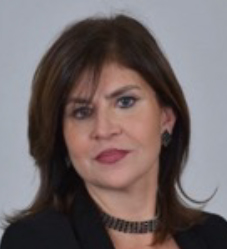
Dr. Rana Jisr
- Affiliate professor at Grenoble School of Management, France
- Professor at ESLM, Brussels.
- Certified coach from the International Coaching Federation.
- 15 years of experience in teaching, and training.
- Co-founder of Del-Ponte Company, Dubai.
|
|